Wenlock Cellars
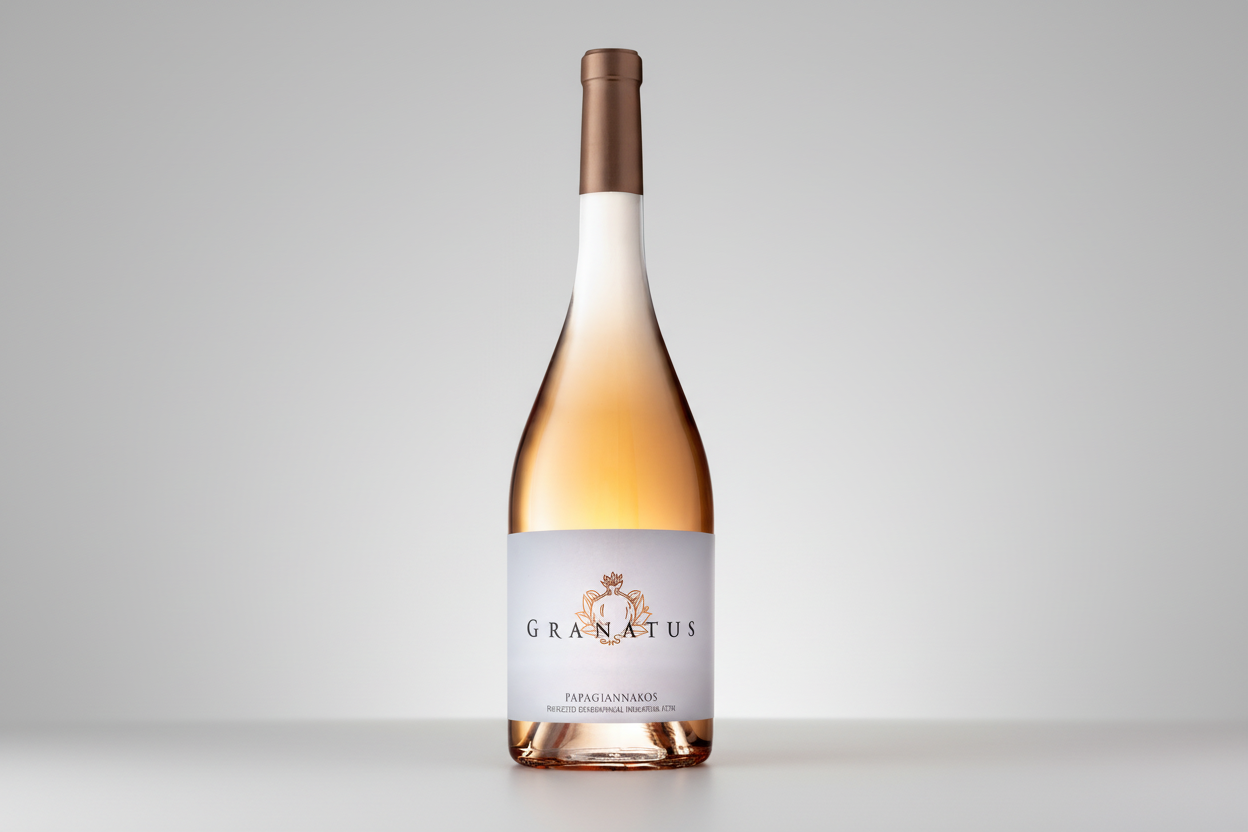
Domaine Papagiannakos Granatus, PGI Attiki 2024
Domaine Papagiannakos Granatus, PGI Attiki 2024
Couldn't load pickup availability
Serious gastronomic rosé made from sun-kissed Cabernet Sauvignon and the native Agiorgitiko.
Production
Harvested in late August, and produced using the saignée method. The juice is fermented in stainless steel tanks for between 25 and 29 days depending on the vintage. After fermentation it is kept for about 2 months before the first bottling and 6 months before the second bottling.
Tasting notes
A distinctive and delicious rosé with aromas of raspberry, blackcurrant leaf and oregano. A dry palate with refreshing acidity and silky texture. This is a rosé which is perfect for casual drinking but also offers a lot to the more interested wine lover.
Food match
Enjoy with grilled swordfish steaks and roasted tomatoes.
-
ABV
13%
-
Bottle Size
75cl
-
Region/Country
Attika, Greece
-
Grape
Cabernet Sauvignon 60%, Agiorgitiko 40%
-
Features
Vegetarian, Vegan
-
Closure
Cork
-
Winemaker
Vassilis Papagiannakos
-
Appellation
PGI Attiki
-
Allergen info
Contains sulphites and no other allergens

Meet the Producer
Domaine Papagiannakos was established in 1919 in the heart of the plain of Mesogaia, Attica - just 30km from the shadow of the Acropolis. Third generation winemaker, Vassilis Papagiannakos, was born and bred in Markopoulo, and grew up around the family winery. At that time the Savatiano variety was the winery's sole focus - but later Malagouzia was introduced, along with Cabernet Sauvignon, Merlot and other varieties. Vassilis owns 10 hectares of vineyard in the Attica region, and maintains long-term leases on a further 20 hectares, with vines on average 50-60 years old. Rocky, sandy, clay topsoil nurtures low yielding bush vines - extremely limited irrigation is employed. The Papagiannakos family continues its traditions whilst bringing the winery into the 21st Century with a stunning and innovative bioclimatic winery.
A Note on Sustainability
In 2007 their state of the art bioclimatic winery was completed which saves energy in the wine-making process and is built to allow gravity to move wine from one part to another. They have moved to lighter weight bottles, use electric vehicles on the domaine and are taking steps to reduce their CO2 output as much as possible over the years to come. The pine used for their Retsina has been sourced from the same resion collector for many years and comes from forests located just 15 minutes drive from the domaine.