Wenlock Cellars
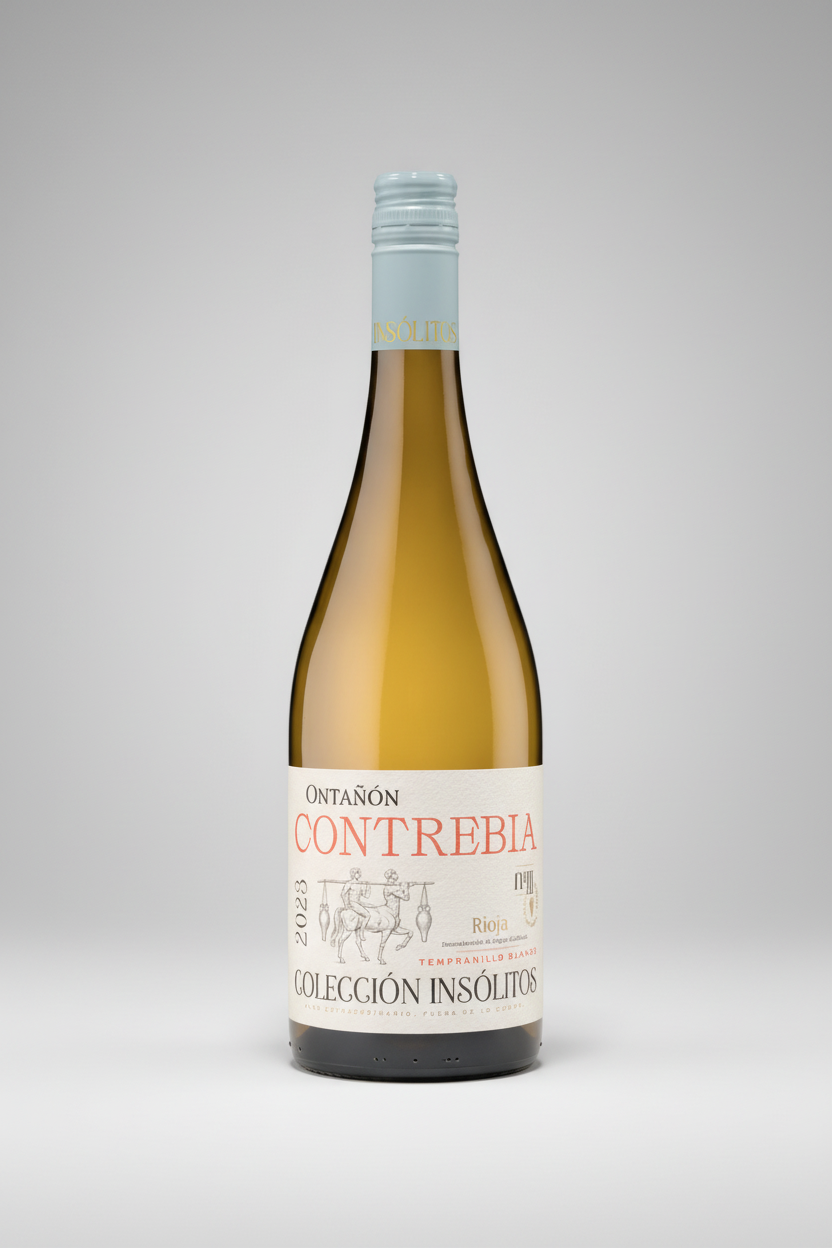
Ontañón Contrebia Tempranillo Blanco, DOCa Rioja 2024
Ontañón Contrebia Tempranillo Blanco, DOCa Rioja 2024
Couldn't load pickup availability
This is a natural mutation of the red Tempranillo grape - and only a handful of growers in Rioja have Tempranillo Blanco vines. Bodegas Ontañón saw its potential back in 2010 and planted 15 hectares - releasing the first vintage in 2016.
Production
In 1988, a Rioja winemaker found a bunch of white grapes growing amongst the Tempranillo vines in his Murillo de Rio Leza estate in Rioja Baja. After several years of investigation, the Consejo Regulador of Rioja accepted that this was a natural mutation of the usually red Tempranillo grape and approved it as a variety to be grown DOCa Rioja. It is thought that just one generation separates the white and red versions of the grape - similar to white mutations of both Pinot Noir and Garnacha. The grapes are sourced from vineyards at around 600m altitude and are harvested in early October - picked in the early morning and taken immediately to the winery. There they are slowly pressed to extract the must, and the seeds are separated from the must to maintain optimal aromas and flavours during the fermentation process. This occurs over a period of 14 days at controlled temperature. Following fermentation the juice spends time on lees - they've doubled the lees ageing to 4 months for the 2022 vintage, which gives extra body and balances out the ripe fruit flavours.
Tasting notes
Delicate citrus and white flower aromas with a hint of orange blossom. The palate is soft and round with ripe stone fruit characters, gentle acidity and an elegant, lengthy finish.
Food match
A good match for poultry, risotto and roasted vegetable dishes.
-
ABV
12.5%
-
Bottle Size
75cl
-
Region/Country
Rioja, Spain
-
Grape
Tempranillo blanco 100%
-
Features
Vegetarian, Vegan, Sustainable
-
Closure
Screwcap
-
Winemaker
Rubén Pérez Cuevas
-
Appellation
DOCa Rioja
-
Allergen info
Contains sulphites and no other allergens

Meet the Producer
Bodegas Ontañón is a 5th generation family-owned and run winery in Rioja Baja (now Rioja Oriental). Here Raquel, Rubén and Maria Pérez Cuevas continue their father Gabriel's work to develop Bodegas Ontañón into one of the most highly-regarded wineries in Rioja. Ontañón has vast swathes of vineyard in this part of Rioja. Whilst wine production in the region is typically very dependent on contracts with grape growers, the Pérez Cuevas family has seen fit to invest heavily in the purchase of its own land and vines. Its 250ha is a testament to the importance it places on controlling grape quality.
The family's vineyards sit high in the Sierra Yerga mountains in the prestigious region surrounding Quel, defying misconceptions that Rioja Baja is one of the lesser sub-regions within Rioja. Many of their vineyards are actually planted at altitudes on a par with, or above, those in Rioja Alta and Alavesa; (La Pasada is their highest vineyard at 800m above sea level, planted in 1979 it is used for Reserva and Gran Reserva wines). The hot and dry Mediterranean climate allows for consistent ripening of the grapes with little disease and this has enabled them to pursue organic production across 57 hectares of vines.
A Note on Sustainability
Currently run by the fourth generation of the Pérez Cuevas family to carry on the tradition of grape growing in the southern part of Rioja, they take great pride in maintaining their vineyards in the most sustainable manner possible as it is their land that supports their family’s craft. As well as farming organically and producing a range of organic wines, Bodegas Ontañón are certified under the Sustainable Wineries for Climate Protection (SWfCP) programme.
A range of sustainable processes are employed in the vineyard and in the winery including; ontrolled irrigation systems to reduce water usage and evaporation; planting vineyards in cooler, well-ventilated areas in order to reduce irrigation requirements and phytosanitary treatments; using plant/grass cover in vineyards to improve soil texture, to reduce tractor working hours and to lower carbon dioxide emissions; using environmentally friendly phytosanitary products that break down quickly and harmlessly; planting several hectares of pine forest near the vineyards in Ausejo and tidying and maintaining the oak forest near the vineyards in Quel. They are a carbon neutral operation, meaning the facilities no longer emit CO2 to the atmosphere.The watering systems in the vineyards are supplied through solar power. It encourages its worker to car pool from its winery to its vineyards to reduce emissions.