Boutinot
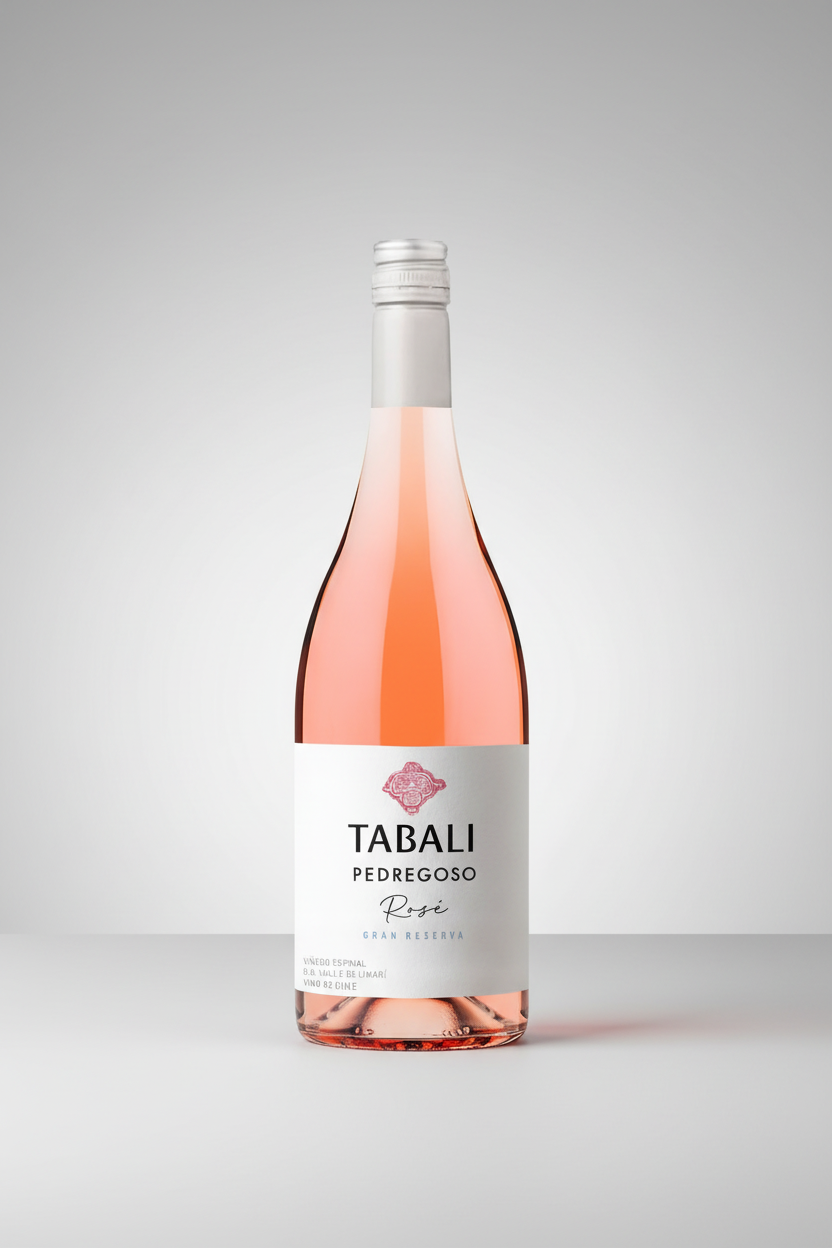
Tabalí Pedregoso Gran Reserva Pinot Noir Rosé, DO Valle de Limarí
Tabalí Pedregoso Gran Reserva Pinot Noir Rosé, DO Valle de Limarí
Couldn't load pickup availability
Elegant and floral Pinot Noir Rosé from the Limarí Valley.
Production
The grapes used in this wine are 100% Pinot Noir from the Espinal vineyard, this vineyard is located in the coastal part of the Limarí Valley just 24km from the sea. The alluvial soil is very stony but has veins of limestone in the form of dust, mainly consisting of calcium carbonate. The limestone dust came from rocks in the high peaks of the Andes being dragged down by melting ice to the lower parts of the valley and deposited there as dust mixed with alluvial soil. This phenomenon is what marks the Limarí Valley as different from Chile's other wine regions, as the limestone produces very refreshing, mineral wines in a style that is quite different to those in the rest of the country, even cool areas. The grapes were hand-harvested. The grapes undergo a very gentle (long and soft) whole bunch pressing very similar to the one use in the sparkling wine production. The juice fermented as a white wine for 21 days in stainless steel tanks with controlled temperature.
Tasting notes
Provencal pale in colour with a nose of hibiscus ,rose petal and a regional chalky note on the nose. Palate shows notes of citrus zest, with a touch of red berry fruit. This is dry and focused with a telltale Limarí limestone minerality and a fresh finish.
Food match
Try with a Niçoise salad, a paella, grilled chicken, fish or lamb with herbs.
-
ABV
12.5%
-
Case/Bottle Size
6 x 75cl
-
Region/Country
Limari Valley, Chile
-
Grape
Pinot Noir 100%
-
Features
Vegetarian, Vegan
-
Closure
Screwcap
-
Winemaker
Felipe Müller
-
Appellation
DO Valle de Limarí
-
Allergen info
Contains sulphites and no other allergens

Meet the Producer
Established in 2002, Tabalí is a pioneer and iconic winery situated in Limarí, on the edge of the Atacama Desert in one of the northernmost vineyard regions of Chile. They were one of the first wineries to settle in Limarí and their wines faithfully reflect their place of origin in which climate and soils play a fundamental role, and bring out the potential of each of their vineyards.
Tabalí is the only winery that produces wines that cross Chile from east to west in the same valley (D.O.), from their incredibly high and remote site of Roca Madre (second highest vineyard in Chile) in the Andes Mountains' Rio Hurtado area down to their cool climate, 'Camanchaca' fog blanked vineyards by the Pacific Ocean. In their quest for the perfection, they now also have a site in the renowned Cabernet and Merlot region of Maipo Valley. The result is a range of truly distinctive wines with elegance, restraint and minerality which the dynamic team of Felipe Muller (winemaker) and Hector Rojas (viticulturalist) have attributed to their cabinet full of the wine world’s most prestigious trophies. In 2014, Felipe Müller was name 'Chilean Young Winemaker of the Year' and acclaimed for his ability to understand Tabali´s distinctive terroir and use it to create remarkable wines, unique to Chile.
Tabalí also has the honour of stewardship of the Limarí Valley’s most significant archaeological sites, the mystical ‘Valle del Encanto’ (Enchanted Valley) which borders their vineyards. A sacred site of the ancient Molle and Diaguita culture, the many rock drawings and carved Tacita stones depict an ancient way of life. The Tabalí mask logo has been taken from one of these rock carvings, which can only be seen at certain times of day when the sun’s alignment makes them magically appear.
A Note on Sustainability
Viña Tabalí are currently working towards Sustainable Wines of Chile. This certification is a transparent and independent process, which is based on biannual audits carried out by certifying companies registered in the "registry of certifiers of the Sustainability Code". The requirements of the Code are framed in a long-term vision, based on the combination of environmental principles, social equity and economic viability.